Box 2
Folder 35. Out of Place Animals – General
Item 2. Magazine Articles

Transcribed Text (OCR)
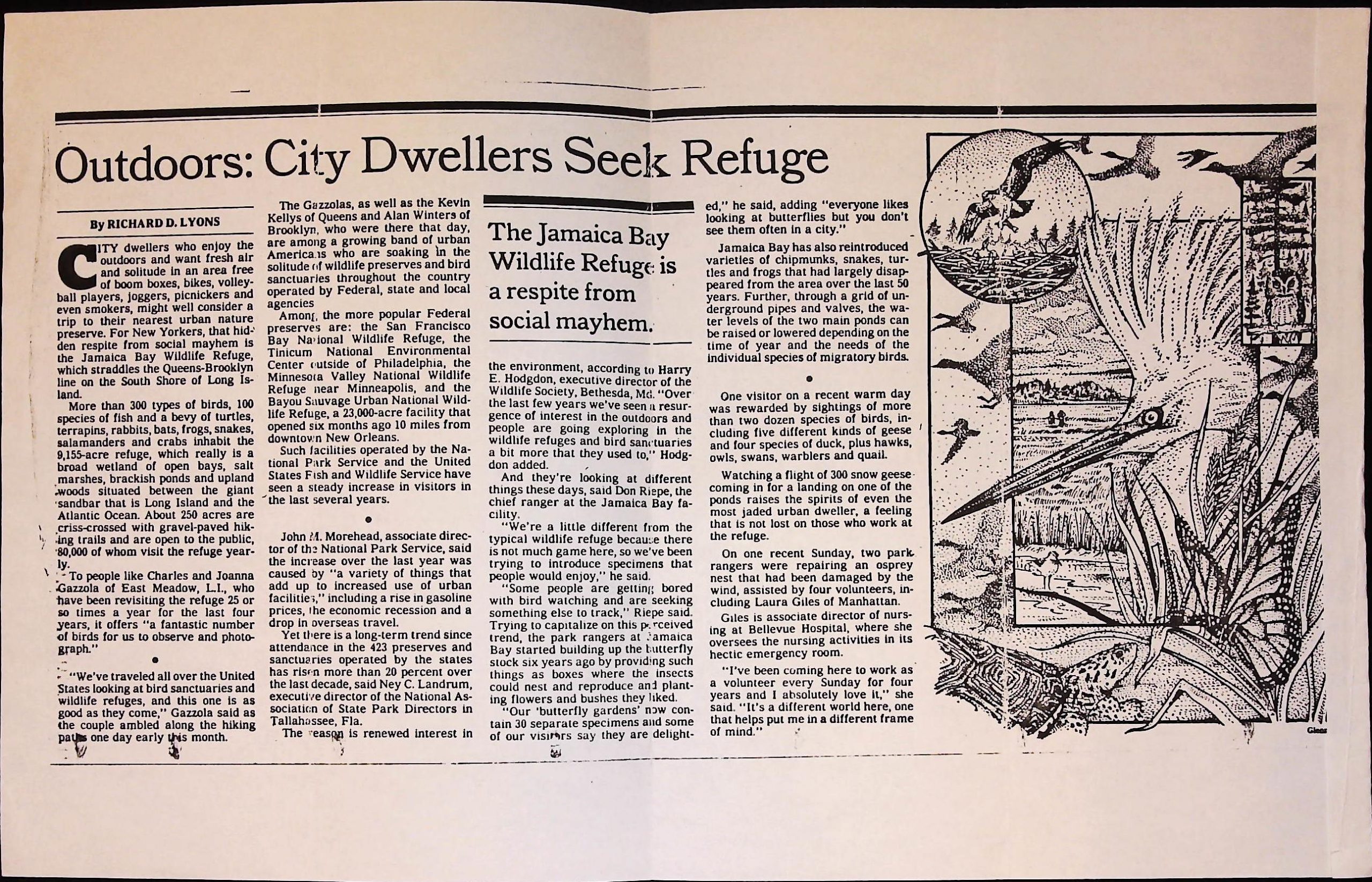
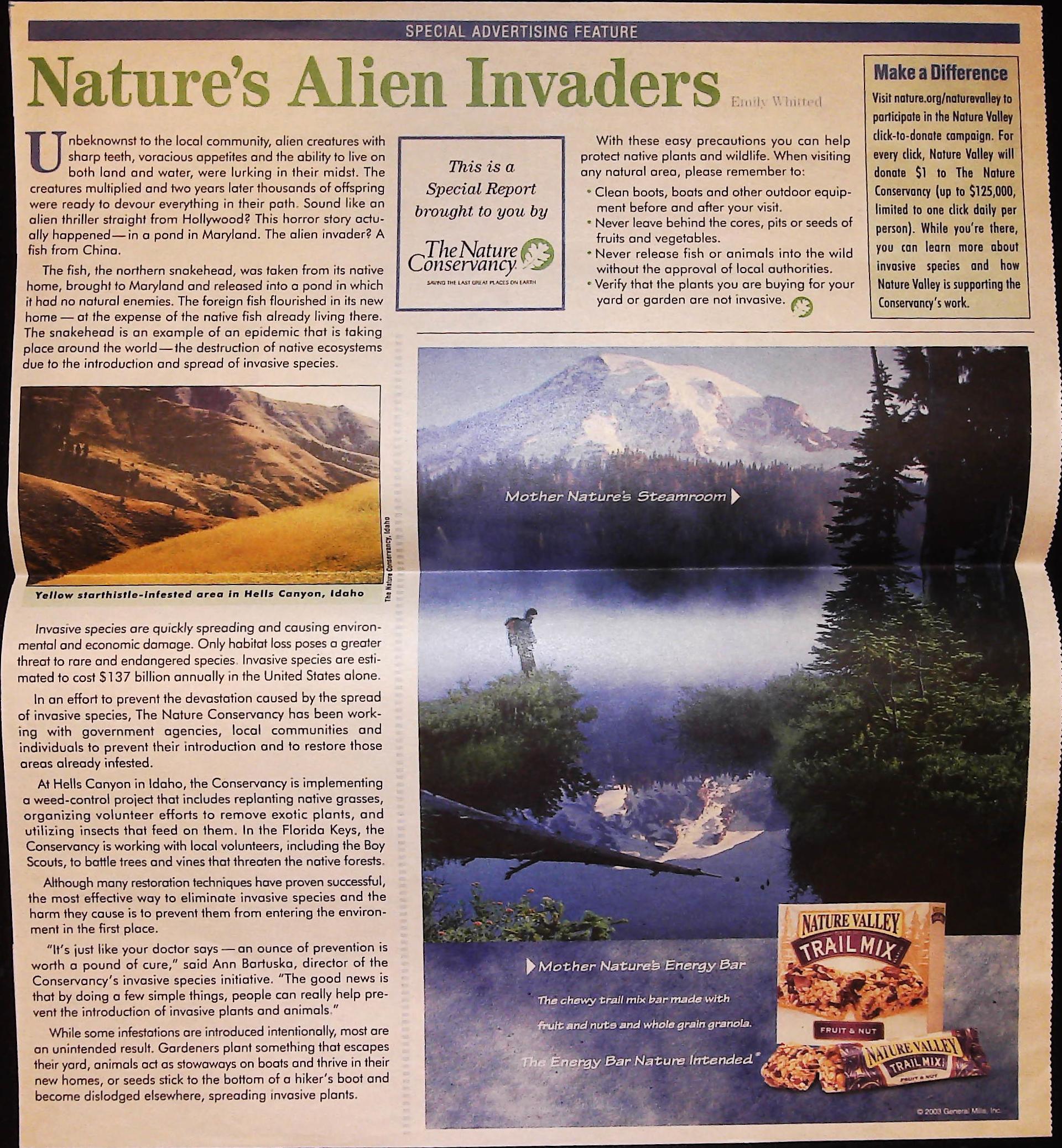
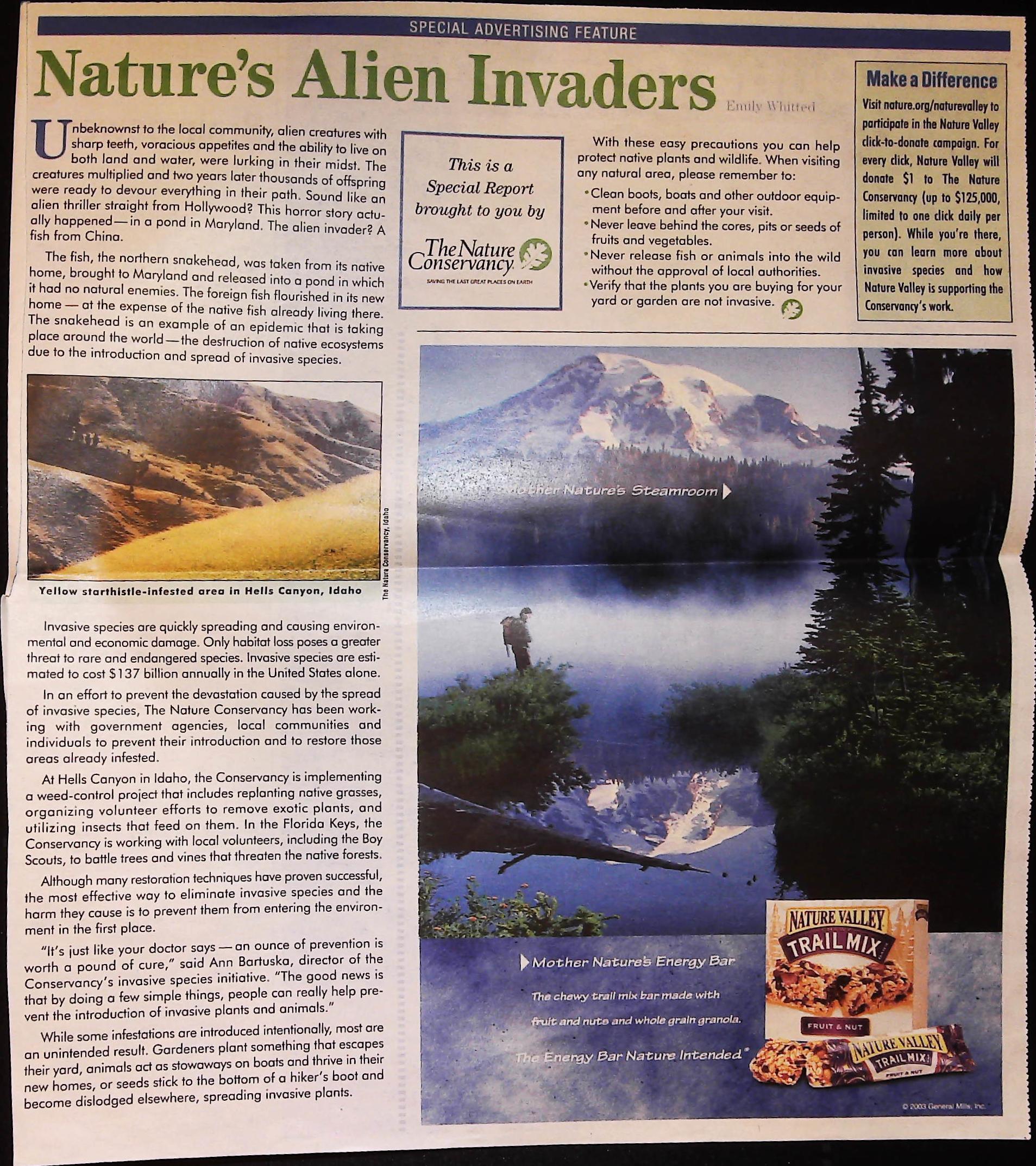
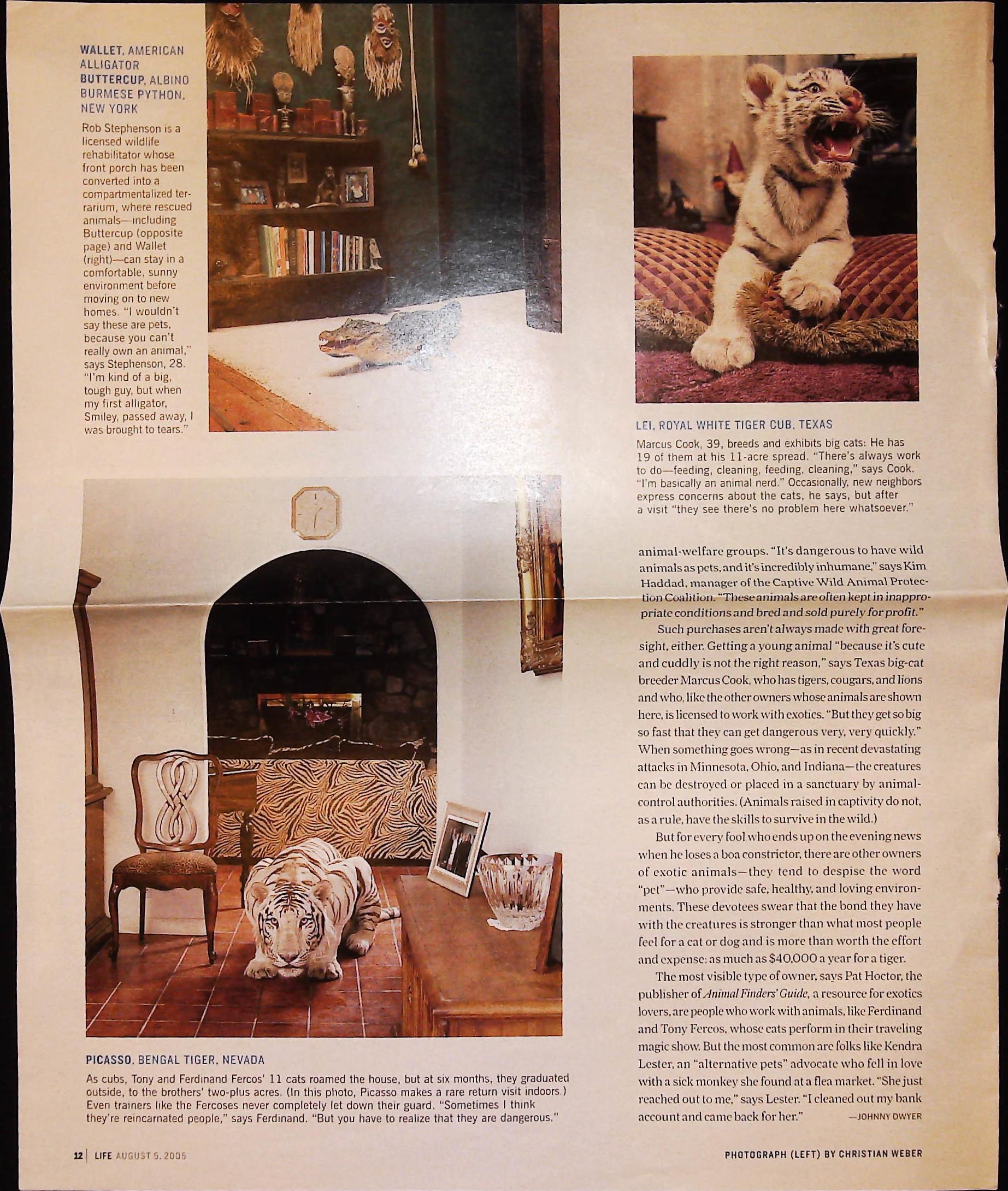
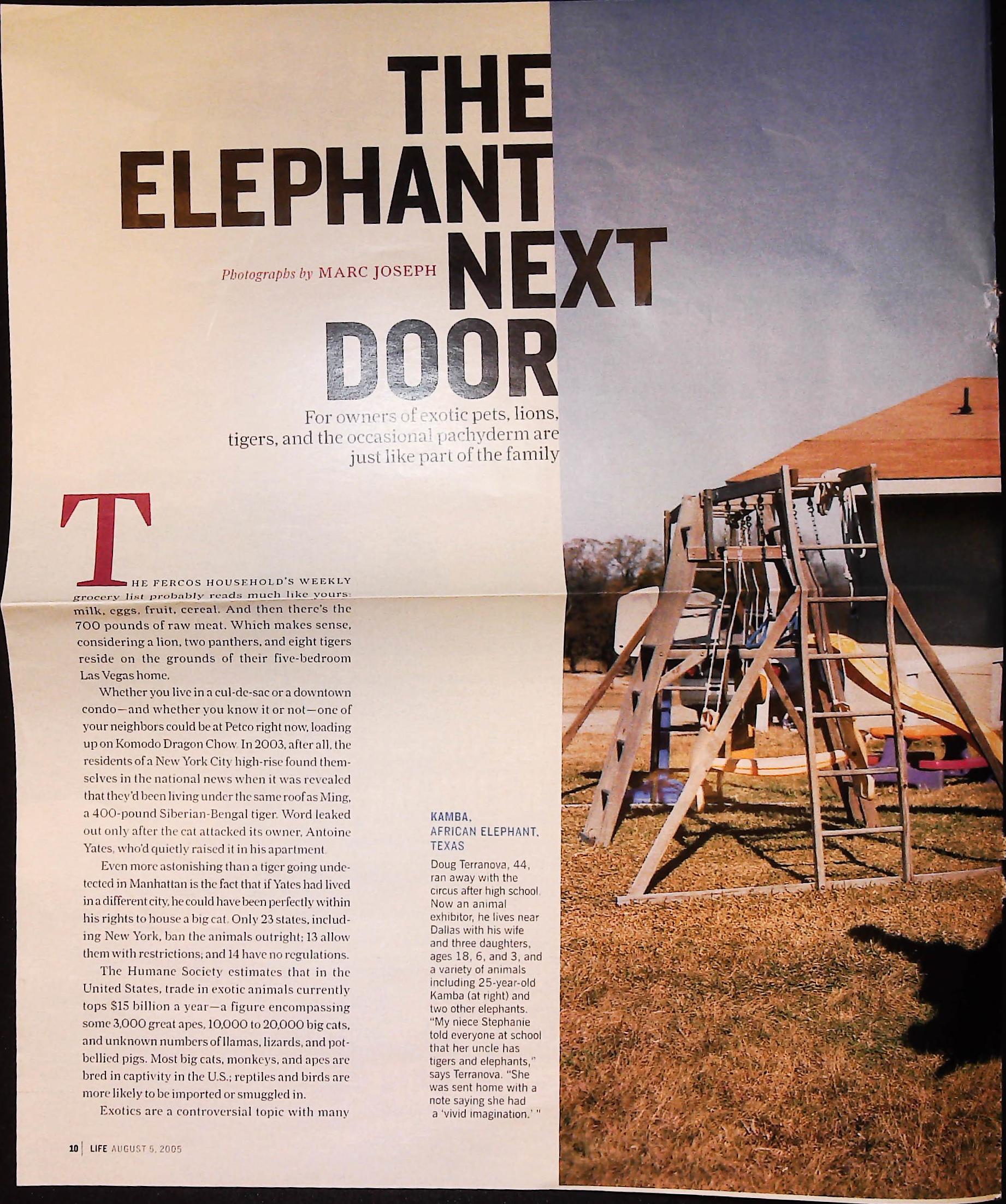
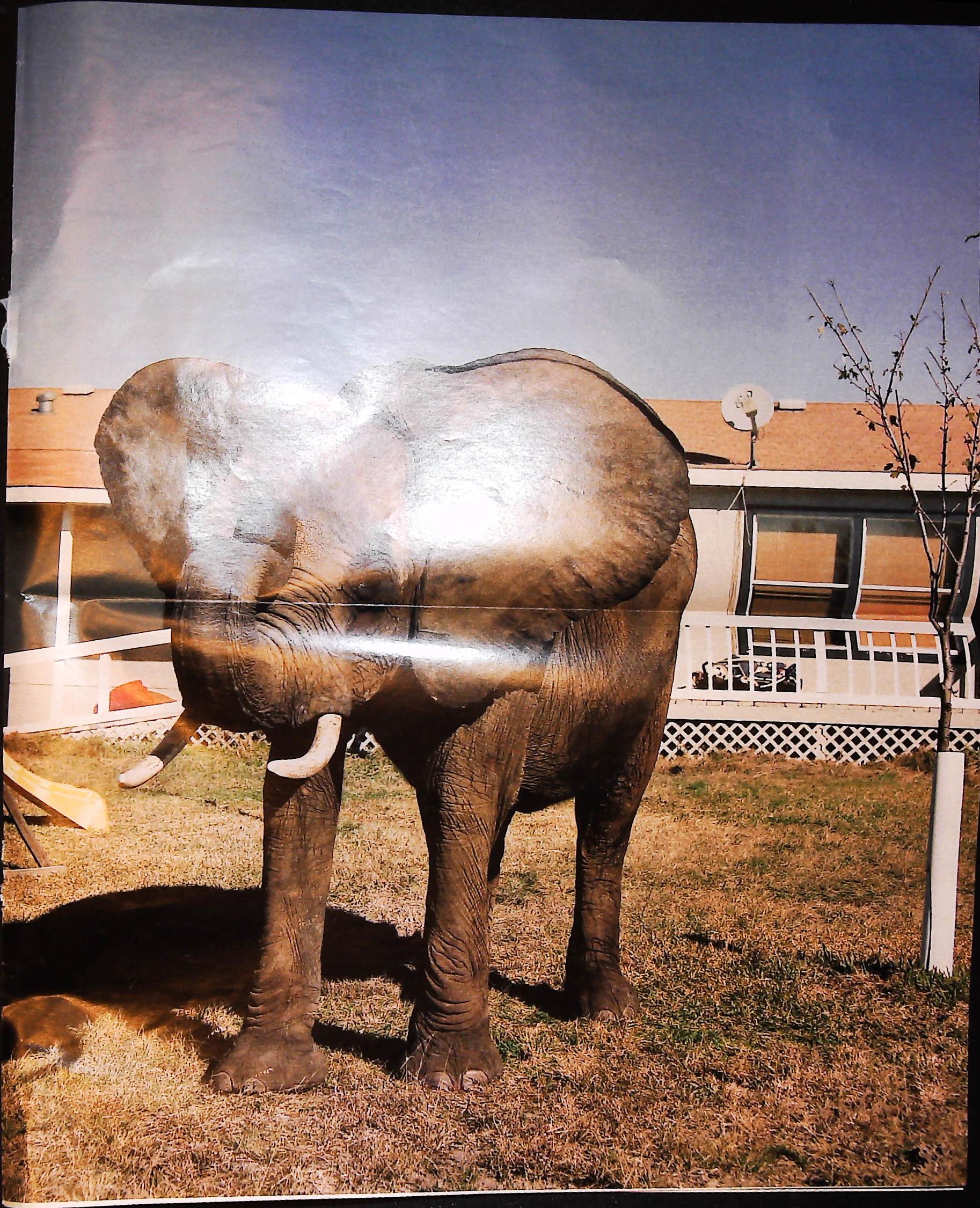
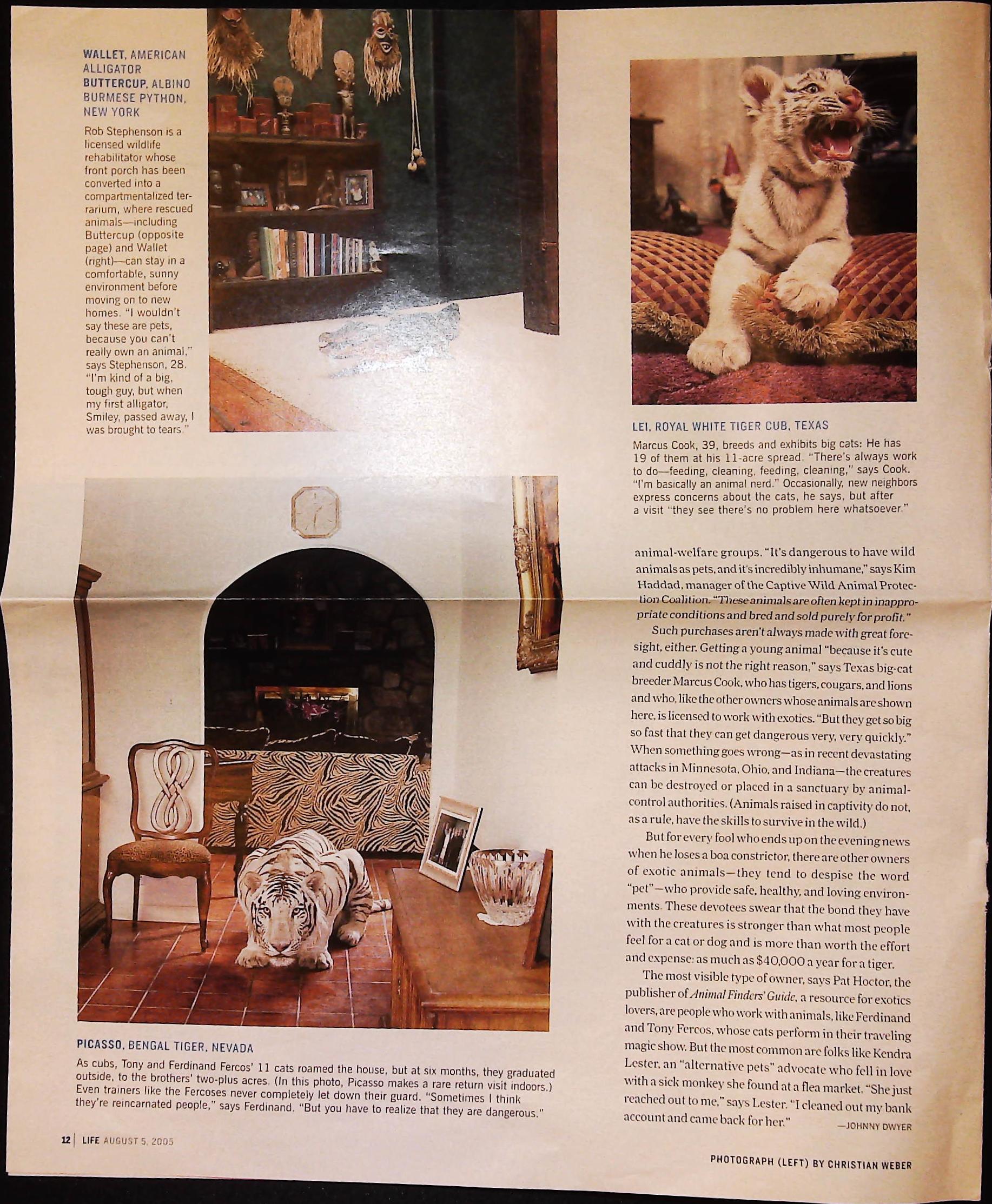
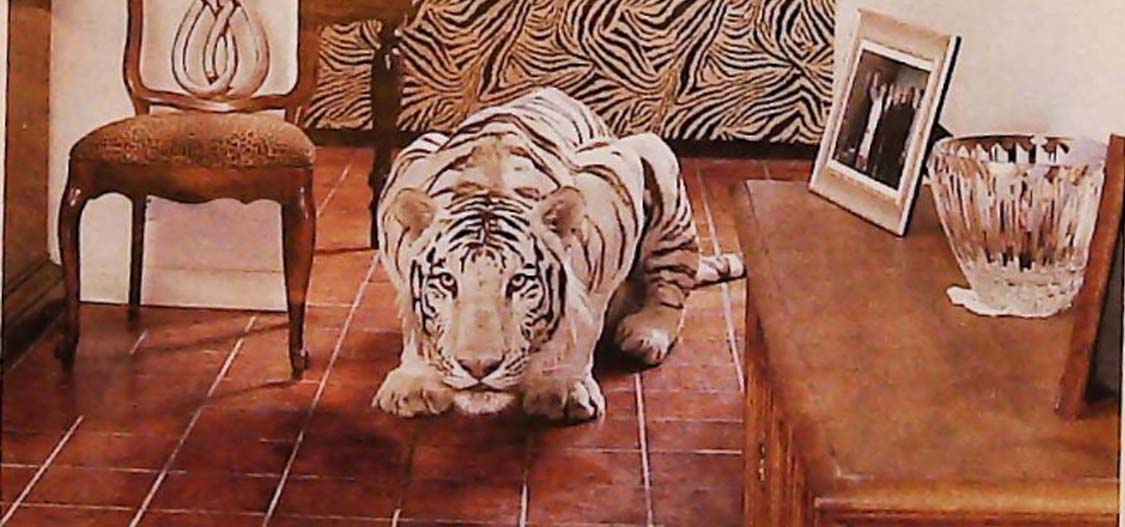
GARY MANGIACOPA ARCHIVE ============================================================ Title: B2F35I2 Slug: b2f35i2 Categories: Misplaced Animals Source: https://garymangiacopraarchive.com/b2f35i2 Pages: 7 scanned, 6 extracted OCR: Google Vision API (document_text_detection) Processed: 2026-06-06 ============================================================ Outdoors: City Dwellers Seek Refuge By RICHARD D. LYONS ITY dwellers who enjoy the outdoors and want fresh alr and solitude in an area free ball players, joggers, picnickers and even smokers, might well consider a trip to their nearest urban nature The Gazzolas, as well as the Kevin Kellys of Queens and Alan Winters of are among a growing band of urban Americans who are soaking in the Brooklyn, who were there that day. solitude of wildlife preserves and bird operated by Federal, state and local agencies Amon, the more popular Federal The Jamaica Bay Wildlife Refuge is a respite from preserve. For New Yorkers, that hid preserves are: the San Francisco social mayhem. den respite from social mayhem is the Jamaica Bay Wildlife Refuge, which straddles the Queens-Brooklyn line on the South Shore of Long Is- land. More than 300 types of birds, 100 species of fish and a bevy of turtles, terrapins, rabbits, bats, frogs, snakes, salamanders and crabs inhabit the 9,155-acre refuge, which really is a broad wetland of open bays, salt marshes, brackish ponds and upland woods situated between the giant 'sandbar that is Long Island and the Atlantic Ocean. About 250 acres are criss-crossed with gravel-paved hik- ing trails and are open to the public, 80,000 of whom visit the refuge year- ly. To people like Charles and Joanna Gazzola of East Meadow, L.I., who have been revisiting the refuge 25 or so times a year for the last four years, it offers "a fantastic number of birds for us to observe and photo- graph.' "We've traveled all over the United States looking at bird sanctuaries and wildlife refuges, and this one is as good as they come," Gazzola said as the couple ambled along the hiking pats one day early this month. Bay Nasional Wildlife Refuge, the Tinicum National Environmental Center outside of Philadelphia, the Minnesota Valley National Wildlife Refuge near Minneapolis, and the Bayou Sauvage Urban National Wild- life Refuge, a 23,000-acre facility that opened six months ago 10 miles from downtown New Orleans. Such facilities operated by the Na- tional Park Service and the United States Fish and Wildlife Service have seen a steady increase in visitors in "the last several years. John M. Morehead, associate direc- tor of the National Park Service, said the increase over the last year was caused by "a variety of things that add up to increased use of urban facilities," including a rise in gasoline prices, the economic recession and a drop in overseas travel. Yet there is a long-term trend since attendance in the 423 preserves and sanctuaries operated by the states has risen more than 20 percent over the last decade, said Ney C. Landrum, executive director of the National As- sociation of State Park Directors in Tallahassee, Fla. The reason is renewed interest in the environment, according to Harry E. Hodgdon, executive director of the Wildlife Society, Bethesda, Md. "Over the last few years we've seen a resur- gence of interest in the outdoors and people are going exploring in the wildlife refuges and bird sanctuaries a bit more that they used to," Hodg- don added. And they're looking at different things these days, said Don Riepe, the chief ranger at the Jamaica Bay fa- cility. "We're a little different from the typical wildlife refuge because there is not much game here, so we've been trying to introduce specimens that people would enjoy," he said. "Some people are getting bored with bird watching and are seeking something else to track," Riepe said. Trying to capitalize on this perceived trend, the park rangers at Jamaica Bay started building up the butterfly stock six years ago by providing such things as boxes where the insects could nest and reproduce and plant- ing flowers and bushes they liked. "Our 'butterfly gardens' now con- tain 30 separate specimens and some of our visitors say they are delight- ed," he said, adding "everyone likes looking at butterflies but you don't see them often in a city.' Jamaica Bay has also reintroduced varieties of chipmunks, snakes, tur- tles and frogs that had largely disap- peared from the area over the last 50 years. Further, through a grid of un- derground pipes and valves, the wa- ter levels of the two main ponds can be raised or lowered depending on the time of year and the needs of the individual species of migratory birds. One visitor on a recent warm day was rewarded by sightings of more than two dozen species of birds, in- cluding five different kinds of geese and four species of duck, plus hawks, owls, swans, warblers and quail. Watching a flight of 300 snow geese- coming in for a landing on one of the ponds raises the spirits of even the most jaded urban dweller, a feeling that is not lost on those who work at the refuge. On one recent Sunday, two park rangers were repairing an osprey nest that had been damaged by the wind, assisted by four volunteers, in- cluding Laura Giles of Manhattan. Giles is associate director of nurs- ing at Bellevue Hospital, where she oversees the nursing activities in its hectic emergency room. "I've been coming here to work as a volunteer every Sunday for four years and I absolutely love it," she said. "It's a different world here, one that helps put me in a different frame of mind." [PAGE BREAK] SPECIAL ADVERTISING FEATURE Nature's Alien Invaders U nbeknownst to the local community, alien creatures with sharp teeth, voracious appetites and the ability to live on both land and water, were lurking in their midst. The creatures multiplied and two years later thousands of offspring were ready to devour everything in their path. Sound like an alien thriller straight from Hollywood? This horror story actu- ally happened-in a pond in Maryland. The alien invader? A fish from China. The fish, the northern snakehead, was taken from its native home, brought to Maryland and released into a pond in which it had no natural enemies. The foreign fish flourished in its new home at the expense of the native fish already living there. The snakehead is an example of an epidemic that is taking place around the world-the destruction of native ecosystems due to the introduction and spread of invasive species. This is a Special Report brought to you by The Nature Conservancy SAVING THE LAST GREAT PLACES ON EARTH Emily Whitted With these easy precautions you can help protect native plants and wildlife. When visiting any natural area, please remember to: . Clean boots, boats and other outdoor equip- ment before and after your visit. ⚫ Never leave behind the cores, pits or seeds of fruits and vegetables. ⚫ Never release fish or animals into the wild without the approval of local authorities. ⚫ Verify that the plants you are buying for yard or garden are not invasive. your Make a Difference Visit nature.org/naturevalley to participate in the Nature Valley click-to-donate campaign. For every click, Nature Valley will donate $1 to The Nature Conservancy (up to $125,000, limited to one click daily per person). While you're there, you can learn more about invasive species and how Nature Valley is supporting the Conservancy's work. The Nature Conservancy, Idaho Mother Nature's Steamroom Yellow starthistle-infested area in Hells Canyon, Idaho Invasive species are quickly spreading and causing environ- mental and economic damage. Only habitat loss poses a greater threat to rare and endangered species. Invasive species are esti- mated to cost $137 billion annually in the United States alone. In an effort to prevent the devastation caused by the spread of invasive species, The Nature Conservancy has been work- ing with government agencies, local communities and individuals to prevent their introduction and to restore those areas already infested. At Hells Canyon in Idaho, the Conservancy is implementing a weed-control project that includes replanting native grasses, organizing volunteer efforts to remove exotic plants, and utilizing insects that feed on them. In the Florida Keys, the Conservancy is working with local volunteers, including the Boy Scouts, to battle trees and vines that threaten the native forests. Although many restoration techniques have proven successful, the most effective way to eliminate invasive species and the harm they cause is to prevent them from entering the environ- ment in the first place. "It's just like your doctor says - an ounce of prevention is worth a pound of cure," said Ann Bartuska, director of the Conservancy's invasive species initiative. "The good news is that by doing a few simple things, people can really help pre- vent the introduction of invasive plants and animals. While some infestations are introduced intentionally, most are an unintended result. Gardeners plant something that escapes their yard, animals act as stowaways on boats and thrive in their new homes, or seeds stick to the bottom of a hiker's boot and become dislodged elsewhere, spreading invasive plants. ▶Mother Nature's Energy Bar The chewy trail mix bar made with fruit and nuts and whole grain granola. The Energy Bar Nature Intended' NATURE VALLEY TRAIL MIX FRUIT & NUT NATURE VALLEY TRAIL MIXI PRUIT & NUT ©2003 General Mills, Inc. [PAGE BREAK] SPECIAL ADVERTISING FEATURE Nature's Alien Invaders U nbeknownst to the local community, alien creatures with sharp teeth, voracious appetites and the ability to live on both land and water, were lurking in their midst. The creatures multiplied and two years later thousands of offspring were ready to devour everything in their path. Sound like an alien thriller straight from Hollywood? This horror story actu- ally happened-in a pond in Maryland. The alien invader? A fish from China. The fish, the northern snakehead, was taken from its native home, brought to Maryland and released into a pond in which home it had no natural enemies. The foreign fish flourished in its new at the expense of the native fish already living there. The snakehead is an example of an epidemic that is taking place around the world-the destruction of native ecosystems due to the introduction and spread of invasive species. This is a Special Report brought to you by The Nature Conservancy. SAVING THE LAST GREAT PLACES ON EARTH Emily Whitted With these easy precautions you can help protect native plants and wildlife. When visiting any natural area, please remember to: •Clean boots, boats and other outdoor equip- ment before and after your visit. ⚫Never leave behind the cores, pits or seeds of fruits and vegetables. •Never release fish or animals into the wild without the approval of local authorities. •Verify that the plants you are buying for your yard or garden are not invasive. Make a Difference Visit nature.org/naturevalley to participate in the Nature Valley click-to-donate campaign. For every click, Nature Valley will donate $1 to The Nature Conservancy (up to $125,000, limited to one click daily per person). While you're there, you can learn more about invasive species and how Nature Valley is supporting the Conservancy's work. Mother Nature's Steamroom Yellow starthistle-infested area in Hells Canyon, Idaho Invasive species are quickly spreading and causing environ- mental and economic damage. Only habitat loss poses a greater threat to rare and endangered species. Invasive species are esti- mated to cost $137 billion annually in the United States alone. In an effort to prevent the devastation caused by the spread of invasive species, The Nature Conservancy has been work- ing with government agencies, local communities and individuals to prevent their introduction and to restore those areas already infested. At Hells Canyon in Idaho, the Conservancy is implementing a weed-control project that includes replanting native grasses, organizing volunteer efforts to remove exotic plants, and utilizing insects that feed on them. In the Florida Keys, the Conservancy is working with local volunteers, including the Boy Scouts, to battle trees and vines that threaten the native forests. Although many restoration techniques have proven successful, the most effective way to eliminate invasive species and the harm they cause is to prevent them from entering the environ- ment in the first place. "It's just like your doctor says - an ounce of prevention is worth a pound of cure," said Ann Bartuska, director of the Conservancy's invasive species initiative. "The good news is that by doing a few simple things, people can really help pre- vent the introduction of invasive plants and animals." While some infestations are introduced intentionally, most are an unintended result. Gardeners plant something that escapes their yard, animals act as stowaways on boats and thrive in their new homes, or seeds stick to the bottom of a hiker's boot and become dislodged elsewhere, spreading invasive plants. The Nature Conservancy, Idand Mother Nature's Energy Bar The chewy trail mix bar made with fruit and nuts and whole grain granola. The Energy Bar Nature Intended NATURE VALLEY TRAIL MIX FRUIT & NUT NATURE VALLEY TRAIL MIX FRUIT & NUT © 2003 General Mills, Inc. [PAGE BREAK] WALLET, AMERICAN ALLIGATOR BUTTERCUP, ALBINO BURMESE PYTHON. NEW YORK Rob Stephenson is a licensed wildlife rehabilitator whose front porch has been converted into a compartmentalized ter- rarium, where rescued animals including Buttercup (opposite page) and Wallet (right)-can stay in a comfortable, sunny environment before moving on to new homes. "I wouldn't say these are pets, because you can't really own an animal," says Stephenson, 28. "I'm kind of a big, tough guy, but when my first alligator, Smiley, passed away, I was brought to tears." LEI, ROYAL WHITE TIGER CUB, TEXAS Marcus Cook, 39, breeds and exhibits big cats: He has 19 of them at his 11-acre spread. "There's always work to do-feeding, cleaning, feeding, cleaning," says Cook. "I'm basically an animal nerd." Occasionally, new neighbors express concerns about the cats, he says, but after a visit "they see there's no problem here whatsoever." PICASSO, BENGAL TIGER. NEVADA As cubs, Tony and Ferdinand Fercos' 11 cats roamed the house, but at six months, they graduated outside, to the brothers' two-plus acres. (In this photo, Picasso makes a rare return visit indoors.) Even trainers like the Fercoses never completely let down their guard. "Sometimes I think they're reincarnated people," says Ferdinand. "But you have to realize that they are dangerous." 12 LIFE AUGUST 5, 2005 animal-welfare groups. "It's dangerous to have wild animals as pets, and it's incredibly inhumane," says Kim Haddad, manager of the Captive Wild Animal Protec- tion Coalition. "These animals are often kept in inappro- priate conditions and bred and sold purely for profit." Such purchases aren't always made with great fore- sight, either. Getting a young animal "because it's cute and cuddly is not the right reason," says Texas big-cat breeder Marcus Cook, who has tigers, cougars, and lions and who, like the other owners whose animals are shown here, is licensed to work with exotics. "But they get so big so fast that they can get dangerous very, very quickly." When something goes wrong-as in recent devastating attacks in Minnesota, Ohio, and Indiana-the creatures can be destroyed or placed in a sanctuary by animal- control authorities. (Animals raised in captivity do not, as a rule, have the skills to survive in the wild.) But for every fool who ends up on the evening news when he loses a boa constrictor, there are other owners of exotic animals-they tend to despise the word "pet"-who provide safe, healthy, and loving environ- ments. These devotees swear that the bond they have with the creatures is stronger than what most people feel for a cat or dog and is more than worth the effort and expense: as much as $40,000 a year for a tiger. The most visible type of owner, says Pat Hoctor, the publisher of Animal Finders' Guide, a resource for exotics lovers, are people who work with animals, like Ferdinand and Tony Fercos, whose cats perform in their traveling magic show. But the most common are folks like Kendra Lester, an "alternative pets" advocate who fell in love with a sick monkey she found at a flea market. "She just reached out to me," says Lester. "I cleaned out my bank account and came back for her." -JOHNNY DWYER PHOTOGRAPH (LEFT) BY CHRISTIAN WEBER [PAGE BREAK] THE ELEPHANT Photographs by MARC JOSEPH NEXT DOOR For owners of exotic pets, lions, tigers, and the occasional pachyderm are just like part of the family HE FERCOS HOUSEHOLD'S WEEKLY grocery list probably reads much like yours: milk, eggs, fruit, cereal. And then there's the 700 pounds of raw meat. Which makes sense, considering a lion, two panthers, and eight tigers reside on the grounds of their five-bedroom Las Vegas home. Whether you live in a cul-de-sac or a downtown condo-and whether you know it or not-one of your neighbors could be at Petco right now, loading up on Komodo Dragon Chow In 2003, after all, the residents of a New York City high-rise found them- selves in the national news when it was revealed that they'd been living under the same roof as Ming, a 400-pound Siberian-Bengal tiger. Word leaked out only after the cat attacked its owner, Antoine Yates, who'd quietly raised it in his apartment Even more astonishing than a tiger going unde- tected in Manhattan is the fact that if Yates had lived in a different city, he could have been perfectly within his rights to house a big cat. Only 23 states, includ- ing New York, ban the animals outright; 13 allow them with restrictions, and 14 have no regulations. The Humane Society estimates that in the United States, trade in exotic animals currently tops $15 billion a year-a figure encompassing some 3,000 great apes, 10,000 to 20,000 big cats, and unknown numbers of llamas, lizards, and pot- bellied pigs. Most big cats, monkeys, and apes are bred in captivity in the U.S.; reptiles and birds are more likely to be imported or smuggled in. Exotics are a controversial topic with many KAMBA, AFRICAN ELEPHANT. TEXAS Doug Terranova, 44, ran away with the circus after high school. Now an animal exhibitor, he lives near Dallas with his wife and three daughters, ages 18, 6, and 3, and a variety of animals including 25-year-old Kamba (at right) and two other elephants. "My niece Stephanie told everyone at school that her uncle has tigers and elephants," says Terranova. "She was sent home with a note saying she had a 'vivid imagination. 10 LIFE AUGUST 5, 2005 [PAGE BREAK] WALLET, AMERICAN ALLIGATOR BUTTERCUP, ALBINO BURMESE PYTHON, NEW YORK Rob Stephenson is a licensed wildlife rehabilitator whose front porch has been converted into a compartmentalized ter- rarium, where rescued animals-including Buttercup (opposite page) and Wallet (right)-can stay in a comfortable, sunny environment before moving on to new homes. "I wouldn't say these are pets, because you can't really own an animal, says Stephenson, 28. "I'm kind of a big, tough guy, but when my first alligator, Smiley, passed away, I was brought to tears PICASSO, BENGAL TIGER, NEVADA As cubs, Tony and Ferdinand Fercos' 11 cats roamed the house, but at six months, they graduated outside, to the brothers' two-plus acres. (In this photo, Picasso makes a rare return visit indoors.) Even trainers like the Fercoses never completely let down their guard. "Sometimes I think they're reincarnated people," says Ferdinand. "But you have to realize that they are dangerous." 12 LIFE AUGUST 5, 2005 LEI, ROYAL WHITE TIGER CUB, TEXAS Marcus Cook, 39, breeds and exhibits big cats: He has 19 of them at his 11-acre spread. "There's always work to do-feeding, cleaning, feeding, cleaning," says Cook. "I'm basically an animal nerd." Occasionally, new neighbors express concerns about the cats, he says, but after a visit "they see there's no problem here whatsoever." animal-welfare groups. "It's dangerous to have wild animals as pets, and it's incredibly inhumane," says Kim Haddad, manager of the Captive Wild Animal Protec- tion Coalition. "These animals are often kept in inappro- priate conditions and bred and sold purely for profit." Such purchases aren't always made with great fore- sight, either. Getting a young animal "because it's cute and cuddly is not the right reason," says Texas big-cat breeder Marcus Cook, who has tigers, cougars, and lions and who, like the other owners whose animals are shown here, is licensed to work with exotics. "But they get so big so fast that they can get dangerous very, very quickly." When something goes wrong-as in recent devastating attacks in Minnesota, Ohio, and Indiana-the creatures can be destroyed or placed in a sanctuary by animal- control authorities. (Animals raised in captivity do not, as a rule, have the skills to survive in the wild.) But for every fool who ends up on the evening news when he loses a boa constrictor, there are other owners of exotic animals-they tend to despise the word "pet"-who provide safe, healthy, and loving environ- ments. These devotees swear that the bond they have with the creatures is stronger than what most people feel for a cat or dog and is more than worth the effort and expense: as much as $40,000 a year for a tiger. The most visible type of owner, says Pat Hoctor, the publisher of Animal Finders' Guide, a resource for exotics lovers, are people who work with animals, like Ferdinand and Tony Fercos, whose cats perform in their traveling magic show. But the most common are folks like Kendra Lester, an "alternative pets" advocate who fell in love with a sick monkey she found at a flea market. "She just reached out to me," says Lester. "I cleaned out my bank account and came back for her." -JOHNNY DWYER PHOTOGRAPH (LEFT) BY CHRISTIAN WEBER